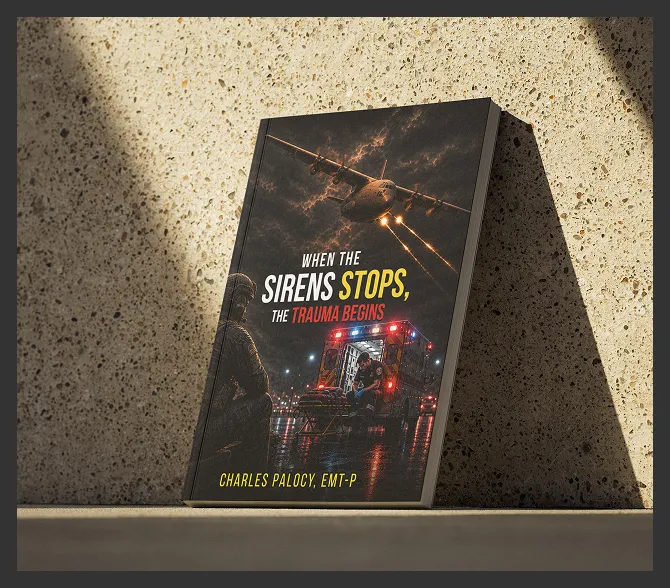
Enter a raw story of EMS, military service, trauma, and recovery, as Charles Palocy shows what responders carry home after the lights fade and the sirens finally stop and silence begins inside.
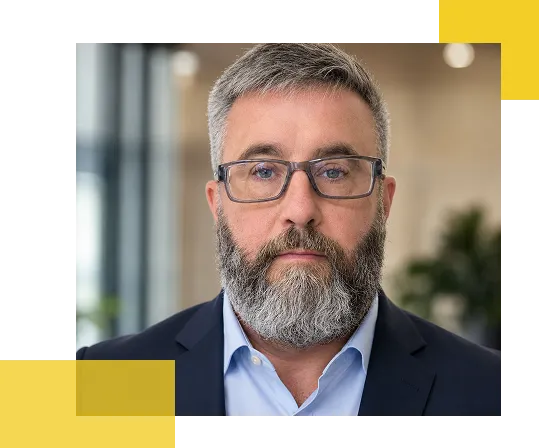
Charles Palocy has spent much of his life serving others through the United States Air Force, emergency medical services, fire response, and emergency management. His journey began with a pager in a small town and grew into decades of service shaped by discipline, sacrifice, hard calls, and a lasting commitment to helping people.
Through his story, Charles speaks for responders who carry memories long after the scene clears. His work brings attention to EMS trauma, PTSD, recovery, and the courage it takes to ask for help when silence becomes heavier than the call.
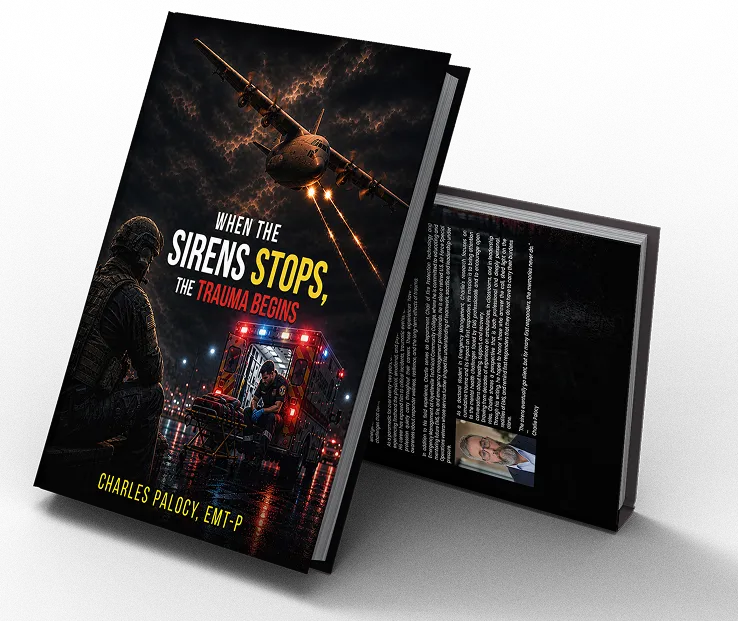
This powerful memoir follows Charles Palocy through volunteer firehouses, EMS calls, military service, loss, trauma, and recovery. It reveals the emotional cost responders carry after the public emergency ends and silence begins inside.
A personal story of service, survival, PTSD awareness, and finding a way back after the sirens fade.


A brave, honest memoir that shows the hidden weight responders carry long after the emergency scene ends.

Powerful, personal, and necessary, this memoir honors those who serve while revealing what they quietly carry.

Charles writes with raw truth, compassion, and courage, giving first responders the voice they often need.

This book helped me understand the emotional cost behind EMS, military service, trauma, and silent recovery.

A deeply moving story of service, sacrifice, PTSD, and the strength it takes to keep going.

Charles Palocy shares painful memories with purpose, reminding every responder that asking for help is strength.
A closer look at the emotional weight first responders carry after the emergency scene clears.
Every responder remembers the moment training became reality and service became personal.
First responders are trained for crisis, but they still carry human hearts beneath the uniform.
Real EMS leadership is not about control, but trust, support, accountability, and presence.
Many EMS providers fight hidden battles long after the public emergency has passed.